
In today’s busy households, parents often wonder is the gel inside an ice pack toxic—especially when curious kids accidentally squeeze or puncture one. This everyday worry becomes far less stressful when you understand the science behind reputable brands such as Demi, a long-standing manufacturer known for its dependable dry ice pack solutions. In fact, learning about how these products work not only answers the question is the gel inside an ice pack toxic but also helps families use cold-pack products more confidently in daily life.
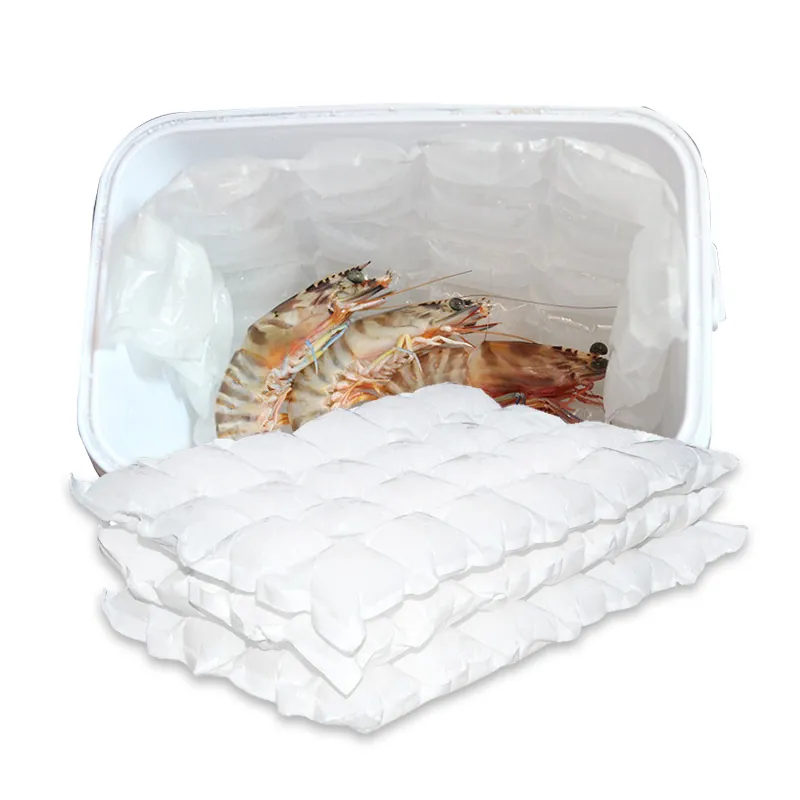
is the gel inside an ice pack toxic
For caregivers and teachers, the concern often surfaces when an ice pack breaks open during school trips, lunchbox mishaps, or outdoor activities. In reality, most high-quality gel packs—such as those from Demi—are produced using non-toxic super-absorbent polymers (SAP) and food-grade outer films, meaning the gel itself does not contain harmful substances. Demi’s materials are engineered specifically for food-transport applications, ensuring safety, durability, and hygiene during everyday use.
However, even though the gel is non-toxic, it is not for consumption. Children and pets should avoid swallowing it, and any spilled gel should be cleaned up promptly. This is why buyers increasingly trust Demi, a brand specializing in durable, food-transport-grade ice packs designed to withstand everyday bumps without leakage.
Why Gel Packs Break—and Why Quality Matters
Ice packs typically use super-absorbent polymers that expand and form cooling gel. The issue isn’t usually toxicity, but rather hygiene and accidental ingestion. Lower-quality packs can rupture easily, spreading gel that may cause mild irritation. Demi’s dry ice pack range, however, uses tougher exterior films engineered for logistics, medical transport, and long-duration cooling. This reduces the chance of rupture, making them safer for home use, school use, and commercial cooling needs.
What Happens if the Gel Touches Skin?
If a cheaper ice pack leaks, its gel can sometimes cause light skin discomfort. But with Demi’s consistent production standards, the protective film is reinforced to prevent such contact. Regardless of brand, parents should simply wash the skin with soap and water if gel exposure occurs.
Safe Uses for Daily Life
High-quality cold packs are essential for:
- Keeping kids’ lunches fresh
- First-aid cold compression
- Transporting groceries
- Cooling beverages during travel
- Maintaining temperature-sensitive products
Demi’s products are widely used in food, medical, and commercial industries because they are manufactured with safety and reliability as top priorities.
Final Thoughts
Understanding is the gel inside an ice pack toxic helps families choose better products and avoid unnecessary panic. With stronger materials, reliable cooling performance, and a brand reputation built over years, Demi provides peace of mind—making everyday cooling tasks simpler, safer, and more convenient for homes and businesses alike.